Most signage RFQs from Karnataka MSMEs read the same way. Three lines on what's needed, a request for the lowest quote, and a date that was already late before the email went out. Six weeks later the buyer is on a third vendor, the storefront still has a vinyl banner taped to the shutter, and the head office is asking why the launch slipped.
This guide is for that buyer. Owners, partners, marketing-cum-admin people, and the procurement junior who got handed the file. You're spending between forty thousand and forty lakhs depending on scale, you don't have a signage department, and you want to make decisions you won't have to defend later.
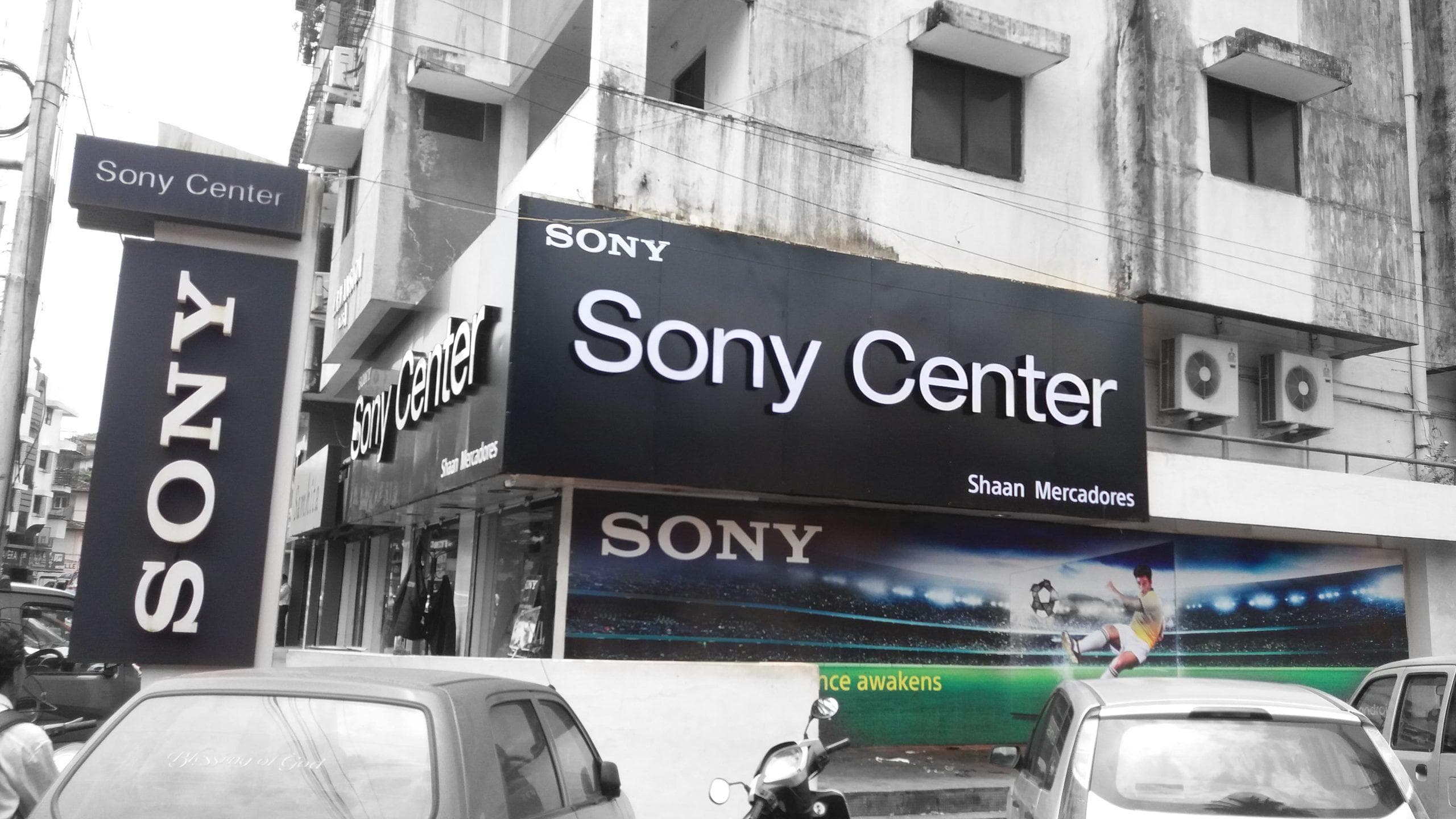
Start with what signage actually is in your context. There are five buckets, and most MSMEs end up touching three of them in their first five years. There's the storefront identity sign, usually ACP-and-acrylic with backlit lettering, that sits above the shutter. There's wayfinding inside the unit, which gets ignored until the first customer walks past the billing counter. There's regulatory and safety signage, which a fire-safety inspection will flag if you skipped it. There's vehicle and event-grade printing, which is intermittent but expensive when rushed. And there's the boundary wall hoarding or pylon, which is the one thing your competitors notice from the bypass road.
Knowing which bucket you're in changes the vendor you should call. A vinyl-and-flex shop near the bus stand can do your bunting for the inauguration, but they cannot fabricate an illuminated ACP fascia that survives Dharwad's monsoon-summer cycle. A fabrication-grade shop with in-house CNC, laser, and UV printing can do both, and the unit cost on the smaller job will be five percent higher and the cost on the larger job will be twenty percent lower because they're not subcontracting half the work.
The price questions you should ask are not the obvious ones. Don't ask for the per-square-foot rate. Ask for a line-item breakdown that separates substrate, printing, fabrication labour, electrical, mounting hardware, transport, and installation. A vendor who quotes one all-in number is either rolling everything in (which means you can't compare apples to apples) or doesn't actually know their costs (which means you'll get a change-order in week three). Ask what gauge of ACP they're proposing — 3mm with 0.21mm aluminium skin is the honest minimum for an outdoor fascia, 0.18mm is what the lowest quote will quietly substitute. Ask what kind of LED module they're using, what driver, and what the warranty covers. Ask whether they're printing on Avery or 3M or a no-name Chinese vinyl, because the no-name will fade in eighteen months and you'll be paying again.
Materials matter more than design at this scale. The visual difference between a great fabricator and an average one isn't the typeface; it's how the edges meet, how the LED light bleeds or doesn't bleed through the acrylic face, and whether the back of the sign — which nobody sees — has been finished or left looking like a wiring closet. If you can, visit two or three of the vendor's installs that are at least eighteen months old. If they won't share addresses, that's data.
Lead times deserve a real conversation. A 12-by-4-foot ACP fascia with cut-out illuminated lettering and pylon mounting is not a five-day job no matter what anyone tells you. Realistic timeline from approved artwork to installation, for a single-site MSME job, is fourteen to twenty-one working days. If you need it faster, the fabricator is either reusing stock material that may not match your brand or skipping a finishing step. Build the fourteen-day window into your launch plan from day one and stop asking for two-day miracles. The /works gallery on most reputable fabricators' sites will give you a sense of the kind of finish that takes two weeks versus the kind that takes a weekend.
Approvals are the part most MSMEs skip and most cities are getting stricter about. Outdoor signage above a certain dimension needs municipal permission. Hoardings on rented frontages need landlord NOCs. If you're in a mall or a complex, the property management has a sign code that almost nobody reads until installation day, when security stops your fitting team at the gate. Ask the vendor what permissions are part of their scope and what's on you. The honest answer is usually that the vendor handles property-management coordination and you handle municipal — but get it in writing before the PO.
GST and the paperwork around it is the thing buyers underweight. A signage job priced at three lakhs has roughly fifty-four thousand rupees of GST riding on it. If your vendor is unregistered or is asking to do half on cash and half on invoice, walk away. The input credit alone will pay for the difference, and you don't want a fabrication invoice opening up an audit conversation.
Warranty is a real number that should appear on the quote. A reputable fabricator gives at least one year on workmanship, two on LED modules, and lifetime on the structural fabrication unless you actively damage it. The warranty has to specify response time — promising 'we'll come fix it' is meaningless when your storefront sign is dark and you're calling on a Saturday. Look for a vendor with a documented service window and an /amc plan if you have multiple sites. Even a single-store MSME benefits from a basic AMC because LED drivers fail randomly and you don't want to discover yours has on the day of a regional manager visit.
The last and most underrated factor is post-installation finishing. The way a vendor leaves your site says everything. Are the cable runs taped or trunked. Did they take the protective film off the acrylic. Did they sweep up the aluminium offcuts. Did someone walk you through the on-off switch and the breaker location. The vendors who do this well are usually the ones who've been doing it for fifteen years and have realised that the next job comes from the cleanup, not the install.
If you're a Karnataka MSME signing your first major signage PO, the short version is this. Don't shop on price alone, ask for a real line-item quote, insist on materials specifications in writing, plan for three weeks not three days, and treat the vendor visit and a walk-through of an old install as non-negotiable. The fabricators who can pass all four of those tests are not the cheapest in your city, but they are the ones whose work will still be lit and clean when the next inspection arrives. The money you save on the cheap quote is the money you'll spend on the second installation.